
"coffee fruit layers"
7000 article(s) found

Coffee planting method-coffee machine use method
Coffee growing method-the coffee maker mocha pot, also known as the Italian coffee pot, is a three-layer stove. After boiling water at the bottom, the coffee powder is pushed through the middle layer by steam pressure to enter the upper layer, and the coffee concentration obtained is comparable to that of espresso, but there is no oil slick, but if a pressure gasket is installed at the coffee spill outlet, the golden crema can be extracted. Rub
Description of Taste and Flavor of Yejia Coffee introduction to the treatment method of Grinding scale Variety production area
Description of taste and flavor of Yejia Coffee Coffee description Grinding scale Variety production area treatment method Solar Yega Coffee sets a strict standard for collecting red fruits (as a result of coffee trees). Before exposing the coffee fruit, the unripe green fruit or defective fruit is removed manually, and the damaged or moldy fruit is removed during the sun drying process. after two weeks, the sugar and essence are all infiltrated into the coffee bean, and the water content is reduced to 12%.

Coffee knowledge: introduction to the anatomy of coffee fruit and the grade of honey treatment
1. Coffee fruit anatomy map Coffee fruit is divided into five layers, as shown in the figure: these five layers are: 1. Skin/Pulp: the outermost layer of coffee beans is covered with berry-like skin and pulp. In addition to the natural sun method, coffee beans treated by other methods must remove the skin and flesh within a few hours after picking. Similar to it is the cherry we often eat, but different

The growing period of picking coffee beans.
After 3 or 4 years of growth, the coffee tree matures and begins to bear fruit, and the fruit will be arranged in clusters or clustered together along the branches. The coffee beans we see are the seeds of the coffee tree. The outside of the seed is a layer of pericarp, with the maturity of coffee beans, the pericarp will change from green to red, as soon as it turns red, it can be harvested. The structure of coffee fruit is that there is a layer of pulp (mesocarp) under the exocarp.

COE winning Manor Niagara Falls Manor introduces what is the flavor of coffee beans treated with red honey?
Professional coffee knowledge exchange more coffee bean information please pay attention to the coffee workshop (Wechat official account cafe_style) Nicaraguan coffee, in the raw bean varieties and post-processing are different, general coffee raw beans in the treatment can be divided into washing, sun, honey treatment. In terms of varieties, the more familiar is the large grain elephant bean (Maragogype). In recent years, it is even more popular with different products.

A brief introduction to the market price of Kenyan boutique coffee beans with rich taste
In addition to having obvious and charming fruit acidity, because most Kenyan coffee comes from small coffee farmers who know how to brew coffee and do not know how to taste coffee, then the original delicacy may also become tasteless. Some people taste coffee with the taste of the tongue, while others enjoy the aromatic mellow in the mouth. in addition, it depends on the body when drinking coffee.

Basic knowledge of Coffee picking of raw coffee beans
After 3 or 4 years of growth, the coffee tree matures and begins to bear fruit, and the fruit will be arranged in clusters or clustered together along the branches. The coffee beans we see are the seeds of the coffee tree. The outside of the seed is a layer of pericarp, with the maturity of coffee beans, the pericarp will change from green to red, as soon as it turns red, it can be harvested. The structure of coffee fruit is that there is a layer of pulp (mesocarp) under the exocarp.

Honey-treated coffee bean grading system _ are Costa Rican coffee beans treated with black honey?
Professional coffee knowledge exchange more coffee bean information Please pay attention to the coffee workshop (Wechat official account cafe_style) after the coffee fruit has been planted and harvested in the manor, then there is the most important step in addition to the variety, planting site and other most important steps of post-processing. At present, most of the treatment methods are mainly sun exposure, semi-washing and washing, as well as several special honey treatments.

Honey treatment Analysis of Golden Honey treatment Honey treatment and washing Coffee Raw Soybean Honey treatment
Professional coffee knowledge exchange more coffee bean information please pay attention to the coffee workshop (Wechat official account cafe_style) Golden Yellow Honey treatment (Gold Honey) the emergence of the secret honey treatment, the earliest is to improve the centuries-old fermented washing method. Basically, it removes the pectin layer adhered to the surface of coffee seeds by mechanical scraping. And scraping off the pectin layer
What are the steps and harvest time for picking coffee beans
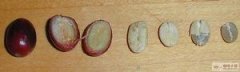
After 3 or 4 years of growth, the coffee tree matures and begins to bear fruit, and the fruit will be arranged in clusters or clustered together along the branches. The coffee beans we see are the seeds of the coffee tree. The outside of the seed is a layer of pericarp, with the maturity of coffee beans, the pericarp will change from green to red, as soon as it turns red, it can be harvested. The structure of coffee fruit is usually a layer of pulp (mesocarp) under the exocarp.

What is Gucci's single-layer slow-drying coffee treatment? Single-layer slow-drying coffee flavor
For more information on coffee beans, please pay attention to the aromas of jasmine and violets in the coffee workshop (Wechat official account cafe_style), the acid value of plums, the sweetness of cantaloupe, the smooth taste and the taste of honey. Single layer slow drying Ancient Book [Blueberry Wine 2] Bensa the growing popularity of anaerobic treatment of sun-dried beans can add a lot of flavor to coffee beans. But

The harvest of coffee beans
After 3 or 4 years of growth, the coffee tree matures and begins to bear fruit, and one fruit will be arranged in clusters or clusters along the branches. Of course, the coffee beans we see are the seeds of coffee trees. The outside of the seed is a layer of peel, which can be picked as soon as it turns red. Under the red skin (exocarp) there is a layer of pulp (mesocarp), inside is a small thin layer, and then there is a layer of parchment
The most complete coffee beans are picked from trees to roasted and matured, washed, sunburned in Brazil, etc.
After the planting and harvest of the manor, the next step is the most important step in addition to the variety and planting land: "post-harvest treatment". At present, most of the treatment methods are mainly sun exposure, semi-washing and water washing, and there are also several special treatment methods: honey treatment, in vivo treatment, and so on. Many people are sharing these treatments on the Internet, no matter how I write them.

How about Brazilian coffee beans? Semi-washed processing process to peel off its heart layer by layer
Professional coffee knowledge exchange More coffee bean information Please pay attention to coffee workshop (Weixin Official Accounts cafe_style) Front Street-Brazilian coffee characteristics, semi-washing treatment method Introduction Coffee from different producing areas has different styles, and Brazilian coffee happens to be very suitable for public taste. The coffee flavor of individual areas is highly local and commendable. Because of the elevation of the entire Brazilian habitat
Common sense of Coffee Tree planting
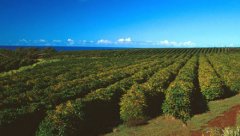
After 3 or 4 years of growth, the coffee tree matures and begins to bear fruit, and one fruit will be arranged in clusters or clusters along the branches. Of course, the coffee beans we see are the seeds of coffee trees. The outside of the seed is a layer of peel, which can be picked as soon as it turns red. Under the red skin (exocarp) there is a layer of pulp (mesocarp), inside is a small thin layer, and then there is a layer of parchment

What is honey-treated Honey Processing? Effect of honey treatment on bean flavor?
What is honey-treated Honey Processing? Effect of honey treatment on bean flavor? In honey treatment, honey refers to the pectin layer of coffee beans that is as sticky as honey (mucilage). The sun method will directly remove the shell and the pectin layer, while the water washing method will remove the pectin layer by fermentation, and only the honey treatment will retain the pectin layer. Honey treatment will go to coffee beans.

Do you know what single-layer slow fermentation is?
Professional coffee knowledge exchange more coffee bean information please follow the coffee workshop (Wechat official account cafe_style) Ethiopia Humbera Manor, located in the emerging coffee producing area-Guji, the elevation is also easily up to 2000 meters, and even on part of the way up the mountain, it has reached nearly 3000 meters, which can be said to be the producing area of high-quality coffee beans developed in recent years.

Coffee special treatment method "single-layer sun slow fermentation method"! Can you still do this in the sun?
Professional baristas please follow the coffee workshop (Wechat official account cafe_style) African Ethiopian coffee beans, has always been the editor's favorite, and with the development of the coffee industry, in addition to the continuous rise of emerging producing areas, there are also many special ways to deal with it! This one is to be introduced to you! Hambella Manor Shengshi Village single-layer slow drying of single Farm 121

Where did the coffee come from? How long does it take to grow? What do coffee beans and seeds look like?
Coffee is a morning drink for many people. Keep your curiosity about things. Have you ever thought about where coffee comes from? It takes nearly a year for coffee to blossom to mature, while it takes about five years for coffee trees to fully bear fruit. Except for round beans, most coffee cherries contain two kinds of coffee beans. Round beans account for about 5% of the world's coffee, cherries
Fine Coffee Science explains the picking of coffee beans in detail
After 3 or 4 years of growth, the coffee tree matures and begins to bear fruit, and one fruit will be arranged in clusters or clusters along the branches. Of course, the coffee beans we see are the seeds of coffee trees. The outside of the seed is a layer of peel, which can be picked as soon as it turns red. Under the red skin (exocarp) there is a layer of pulp (mesocarp), inside is a small thin layer, and then there is a layer of parchment